In-Home Palliative Care in Toronto

Reliable palliative care at home for seniors in Toronto provided by local caregivers.

Find a Caregiver

We’ll help match you with the right caregiver.

📞 Want to talk? Call 1-855-410-7971

Basic Information

Who needs care?

Where is the care needed? (Postal Code)

Care Requirements

When do you need to start?

What kind of care is needed?

Best time to call you

Compassionate Support When You Need It Most

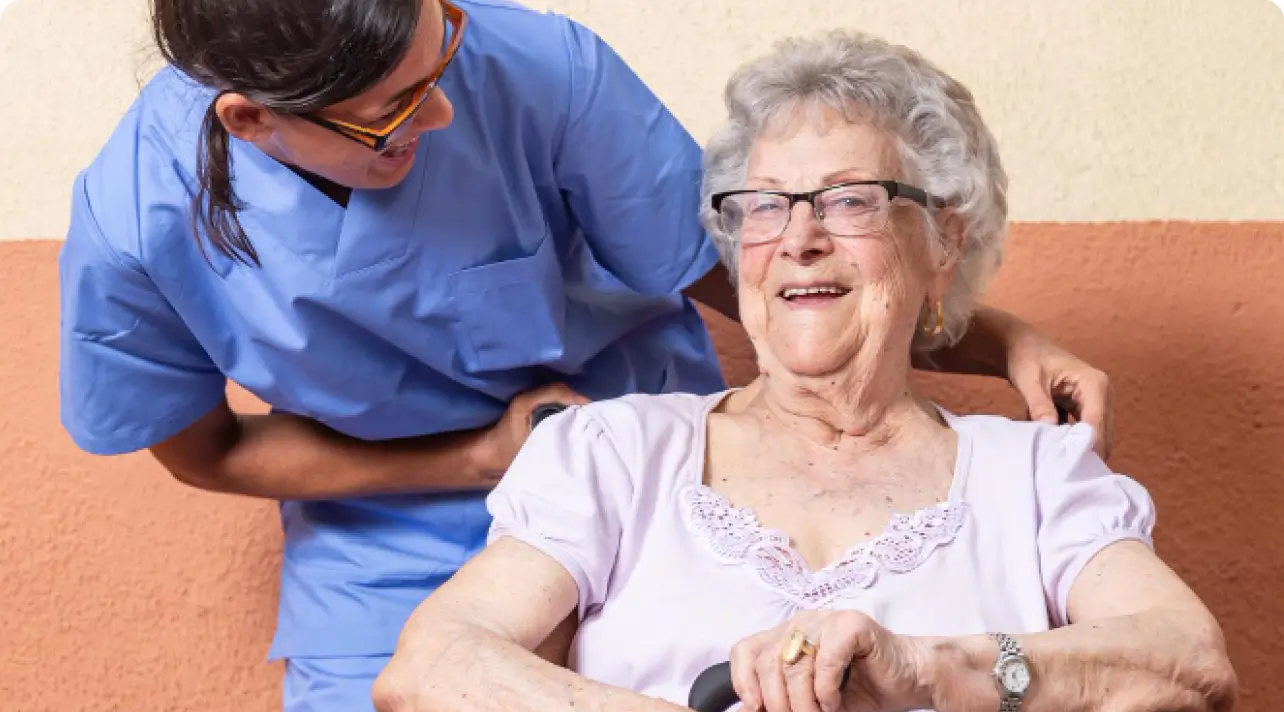
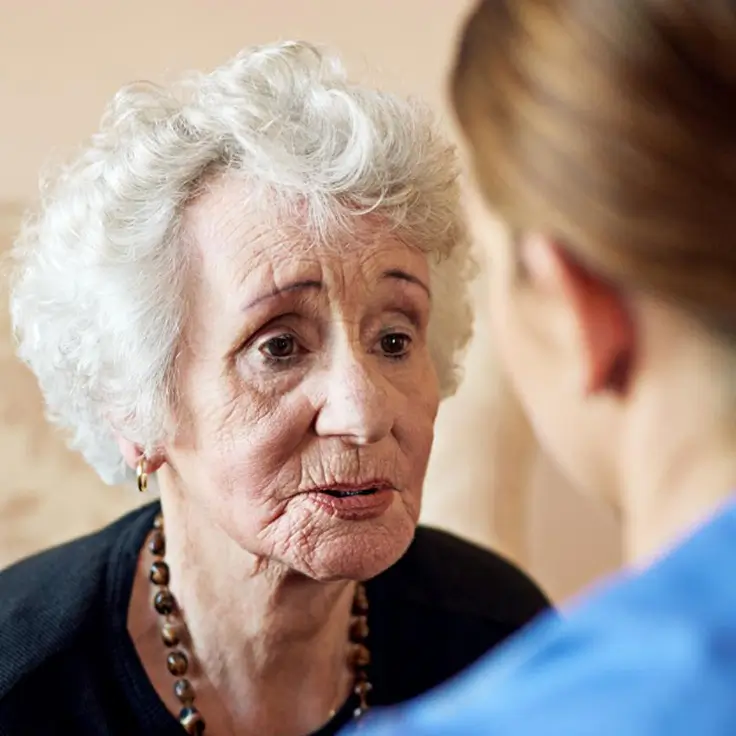
We understand how emotionally overwhelming palliative decisions can be. We’re here to offer relief, dignity, and peace to you and your loved one.

End of Life Care

Peace Over Panic

Say goodbye to constant anxiety and fear. Our caregivers offer calm, competent support every step of the way.

Hypertension Care

Relief from Guilt

Feel confident you're doing the right thing. Our team helps you give your loved one comfort and care at home.

senior home care

Connection, Not Isolation

Bring your loved one closer to family in their final stages, in the familiar setting of home, with compassionate care.


What Is Palliative Care And How Does It Help?

Palliative care at home focuses on improving the quality of life for seniors living with serious illness.

Our caregivers manage pain, reduce stress, and provide emotional and practical support to both clients and families—so your loved one can live their final chapter in comfort and dignity at home.

compassionate home care

Why Families Across Toronto Trust ConsidraCare

Getting Care Is Simple and Fast

We streamline everything so your loved one can receive quality care in just a few easy steps.

work-shape
Numbering
Dementia Care at home

Call us or book online

Speak with our care team to discuss your needs and options without pressure or obligation.

Numbering
Dementia Care at home

Free assessment

We assess your loved one’s needs and build a tailored palliative care plan at no cost to you.

Personal Home Care

Start care within 48 hours

Once you're ready, we match you with the right caregiver and begin compassionate care immediately.

Numbering

Simple, straight-forward and transparent pricing

New Client Offer

Only $33.99/hour for the first month

Hourly PSW Care

Limited Offer

Starting at

$33.99

/ hour*

Recommended for

Seniors with non-chronic medical conditions requiring help only for a few hours or days in a week.

* $36.99/hour after the first month

Skilled Nursing Care

Starting at

$53.99

/ hour

Recommended for

Seniors with chronic and serious health issues in need for personal medical care in their homes.

Live-In Care

Starting at

$330

/ day

Recommended for

Seniors with life-impacting chronic conditions requiring constant monitoring and assistance in daily tasks.

No hidden costs, long-term contracts or upfront placement fees.

Or call us on 1-855-410-7971 to get an instant quote

24-hour live-in care for seniors
cancer care at home
cancer care at home
cancer care at home

What's Included In Palliative Care Services?

Our palliative home care services support clients with both physical comfort and emotional wellbeing, and provide families with peace of mind and respite.

Real Stories From Across Canada

M. Lee

Client , Burlington

ConsidraCare’s expertise and compassion are evident in every interaction.

Dr Adam Kuyumi

Physician, Mississauga

ConsidraCare is a reliable partner in health care, delivering unwavering quality of care.

Shivangi Patel

Caregiver, Hamilton

ConsidraCare’s constant support helps me to provide the best care possible.

Proudly Serving Families Across Toronto

Our local caregivers support families throughout Toronto with timely, trusted palliative care.

Resources for Toronto Families

pain management in palliative care

Pain Management in Palliative Care-A Detailed Guide for PSWs

palliative care at home

What Does a Palliative Care Nurse Do?

How to Help Seniors Manage Chronic Pain

How to Help Seniors Manage Chronic Pain: 7 Tips That Work

Frequently Asked Questions

Palliative care is a specialized medical care focused on providing relief from the symptoms, pain, and stress of serious or life-limiting illnesses. The goal is to improve the quality of life for both the patient and their family, rather than trying to cure the illness.

Palliative care can be provided alongside curative treatment or as the main approach when recovery is no longer possible. It involves a team of healthcare professionals who address physical, emotional, social, and spiritual needs, ensuring comfort, dignity, and support throughout the course of the illness.

Palliative care at home refers to providing specialized support for individuals with serious or life-limiting illnesses in the comfort of their own home. This type of care focuses on managing pain and other symptoms, offering emotional and psychological support, and assisting with daily activities, all while respecting the patient’s preferences and dignity.

Home-based palliative care often involves a team of healthcare professionals, including nurses, doctors, and caregivers, who work closely with family members to ensure continuous, compassionate, and personalized care. The goal is to improve the quality of life and provide comfort without the need for frequent hospital visits.

While hospice care and palliative care both focus on comfort and quality of life for individuals with serious illnesses, there are key differences:

Palliative care can be provided at any stage of a serious illness, even alongside curative treatments. Its goal is to relieve symptoms, pain, and stress while supporting the patient and family.

Hospice care is a type of palliative care specifically for individuals who are in the final stages of a terminal illness, typically when life expectancy is six months or less. Hospice focuses entirely on comfort, dignity, and emotional support, rather than curative treatment.

Palliative care has no set time limit and can last anywhere from a few days to several years, depending on the patient’s needs and the progression of their illness. It can be provided at any stage of a serious illness to manage symptoms and improve quality of life. In some cases, patients may even recover sufficiently and no longer require palliative care.

No, palliative care does not automatically mean end-of-life. It is a broader form of support that can be provided at any stage of a serious illness, not just in the final months. While end-of-life care is a component of palliative care that focuses on the final stages of life, palliative care can support people of any age with chronic or terminal illnesses and may be received for months or even years, depending on the patient’s needs.

Palliative care focuses on improving quality of life for anyone with a serious, life-limiting illness, at any stage of the condition, by managing symptoms, pain, and stress. End-of-life care is a specialized part of palliative care for individuals in the final weeks or months of life, emphasizing comfort, dignity, and support until death. In short, palliative care can begin earlier in an illness, while end-of-life care is specifically for the last stages.

The four phases of palliative care are:

  • Stable: Symptoms are under control, and an established care plan is working.
  • Unstable: A new or worsening problem arises, requiring urgent changes to care.
  • Deteriorating: The patient’s condition gradually declines; existing symptoms worsen or new but expected problems develop.
  • Dying: Death is likely within days, and care focuses on comfort, emotional, and spiritual support.
  • Bereavement: Some models also include a Bereavement phase for support to the family after death.

Patients receiving palliative care often experience a range of physical and emotional symptoms. The seven most common include:

  • Pain: Persistent or severe pain related to the illness.
  • Fatigue: Extreme tiredness or lack of energy affecting daily activities.
  • Shortness of Breath (Dyspnea): Difficulty breathing, common in heart or lung conditions.
  • Nausea and Vomiting: Often caused by medications, treatments, or the illness itself.
  • Loss of Appetite / Weight Loss: Decreased interest in eating leading to nutritional challenges.
  • Anxiety and Depression: Emotional distress related to illness, prognosis, or uncertainty.
  • Sleep Disturbances: Difficulty falling or staying asleep, often due to pain, medication, or anxiety.

Effective palliative care addresses these symptoms through personalized treatment, emotional support, and coordinated healthcare, aiming to improve the patient’s quality of life.

Yes, in Ontario, many palliative care services are covered by OHIP. This includes physician visits, specialist consultations, and certain home-based nursing and medical services related to symptom management and quality of life.

However, some services, such as private caregivers, personal support workers, or certain medical equipment, may not be fully covered and could require out-of-pocket payment or private insurance. 

Let’s Help Your Loved One Feel Connected Again

No obligations. Just real care, real connection.