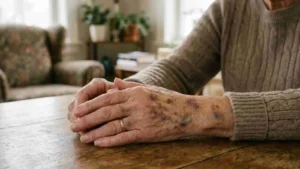

Fall prevention for seniors is rarely just about removing a loose rug. If you care for an older adult, you already know how quickly one slip can change everything.
One small slip can change everything.
At ConsidraCare, we see the pattern all the time. A senior falls. The injury heals. But confidence takes the real hit. They start walking less. Their world shrinks to a chair, a bedroom, a hallway. And the next fall becomes more likely, not less.
But here’s what many families miss.
Falls usually don’t start with the floor.
They start inside the body.
Effective fall prevention for seniors requires more than home modifications. It requires attention to blood sugar, circulation, strength, and daily routines.
The Hidden Drivers Behind Falls
When we speak with families, we ask a simple question.
Was it really the rug?
Or was it an off day that no one connected to blood sugar, circulation, or fatigue?
Stable walking depends on three things working together.
-
Stable blood sugar
-
Stable circulation
-
Stable muscle strength
When one of those wobbles, balance follows.
And when balance goes, so does safety.
How Diabetes Raises Fall Risk
Diabetes doesn’t just show up in lab reports. It shows up in everyday moments at home.
1. Low blood sugar can hit fast
You might see shakiness. Sweating. Sudden confusion. Irritability. Unusual sleepiness.
Sometimes it looks like simple fatigue. Sometimes it looks like a mood change. Sometimes families even worry it’s memory decline.
But in that moment, coordination drops. Judgment slips. If your loved one stands up quickly to head to the bathroom while feeling off, the risk multiplies.
Have you ever had a day where they just didn’t seem like themselves?
Those are the days to slow everything down.
2. High blood sugar creates a different kind of risk
High sugar often brings fatigue and weakness. Some people get blurry vision. It can also lead to dehydration and frequent bathroom trips.
Tired legs. Blurry sight. Rushing to the washroom.
That’s a setup for a fall.
3. Nerve damage changes how someone walks
Over time, diabetes can damage nerves in the feet. When sensation drops, the floor becomes harder to read. A small carpet edge. A slight change in height. A damp tile.
They don’t feel it until they’re already off balance.
You may notice shuffling. Smaller steps. Slower turns.
Those aren’t random changes.
They’re signals.
Heart Health and Balance Are Closely Linked
Heart health affects steadiness more than most people realize.
Many caregivers describe this exact moment. Their parent stands up. Pauses. Sways slightly. Then starts walking anyway.
That light headed feeling often happens because blood pressure can drop briefly when standing. Dehydration can make it worse. Some medications can make it worse.
If someone stands and walks immediately while dizzy, the risk spikes within seconds.
Heart rhythm problems can also cause sudden weakness or fainting. A pale face. A sudden need to sit down. A fluttering feeling in the chest.
Those are not symptoms to brush off.
Stamina matters too. When someone tires easily, they move less. Less movement weakens the legs. Weaker legs reduce balance.
It turns into a quiet downward spiral.
We remember speaking with a family who thought their father was just slowing down. In reality, he was avoiding movement because he felt unsteady when standing. Once they focused on hydration, medication timing, and simple strength work, his walking improved noticeably.
Sometimes it’s not decline.
It’s instability.
What We Encourage Caregivers to Watch For
You don’t need medical training.
You need pattern recognition.
1. Watch the walk
-
Smaller steps
-
Shuffling
-
Holding furniture
-
Slower turns
-
Hesitation on stairs
Walking changes are often the first red flag.
2. Watch for sudden off days
Sudden confusion. Unusual sweating. Shakiness. Sudden sleepiness. Mood shifts.
If your loved one looks fine one moment and off the next, we slow the pace and increase supervision for transfers, stairs, and bathroom trips.
3. Watch for dizziness or breath changes
New dizziness when standing is a major fall trigger.
New shortness of breath doing small tasks matters too. If something that felt easy last week now causes strain, we take it seriously.
And if there is chest pain, fainting, stroke like symptoms, or severe confusion, we treat it as urgent.
Practical Steps That Actually Reduce Risk
We don’t need complicated plans. We need simple habits that repeat.
1. Make standing safer
Most falls happen in the first few steps after standing.
We teach a simple rhythm.
Sit.
Stand.
Pause.
Then walk.
This matters even more at night, getting up from bed, rising from a soft couch, or standing after a long sit.
2. Make the home predictable
A home doesn’t need to look like a clinic. It needs to feel predictable.
-
Clear walking paths
-
Secure loose rugs
-
Keep cords out of the way
-
Improve lighting in halls, stairs, and bathrooms
-
Add non slip mats where floors get wet
-
non-slipKeep commonly used items within easy reach
Predictability reduces surprises.
And surprises cause falls.
3. Reduce rushing
Rushing is a fall multiplier.
A rushed bathroom trip. A rushed answer to the door. A rushed grab for a ringing phone.
We try to remove time pressure where we can. Night lighting helps. Clear paths help. Encouraging your loved one to call for help instead of hurrying helps.
4. Support steady eating and hydration
Skipped meals can increase risk, especially for seniors with diabetes or on certain medications.
Hydration matters for both blood sugar and blood pressure. Dehydration increases dizziness and can worsen fatigue.
A simple habit like keeping water nearby and taking regular sips can reduce risk more than most people expect.
5. Keep movement simple and consistent
We don’t need intense exercise.
We need daily movement that protects leg strength.
Short walks, even indoors, help. Chair exercises help. Sit-to-stand practice helps.
Leg strength is independence insurance.
Track Patterns Without Overthinking
Caregivers often notice patterns clinicians miss.
We jot down simple notes.
-
When dizziness happens
-
When off days occur
-
Whether symptoms show up after a medication time
-
Whether they show up after a missed meal
No detailed diary required.
Just enough to have a sharper conversation with a pharmacist or clinician.
When to Seek Help
Repeated low blood sugar episodes. Repeated dizziness. New confusion. New swelling. New shortness of breath. A new wound that isn’t healing.
We call the clinician or pharmacist promptly.
Chest pain. fainting. stroke signs. severe confusion.
We treat these as emergencies.
The Mindset That Works
The goal isn’t perfection.
The goal is systems.
A routine that still works when you’re busy or tired.
Consistent meals. A slower stand routine. Clear pathways. Daily movement.
Small systems reduce surprises.
And surprises are what cause most falls.
If you’re caring for someone at home, you’re already doing hard work. Our goal is to reduce crises so care feels more manageable, and your loved one stays independent longer.
Is it just the rug?
Or is blood sugar, circulation, and strength quietly shaping the risk in the background?
If you want a simple tool you can use right away, we put together a free two-page checklist pack that includes a home safety and fall prevention checklist, plus a diabetes and heart health action checklist for seniors and caregivers.
https://www.considracare.com/home-safety-checklist/
If you are looking for care at home for a loved one, call us at 1 855 410 7971.
FAQs
Why do seniors with diabetes fall more often?
Seniors with diabetes face both short-term and long-term risks. Low blood sugar can cause sudden dizziness, confusion, and weakness. High blood sugar can lead to fatigue, blurry vision, and dehydration. Over time, nerve damage in the feet reduces sensation and balance. These factors increase fall risk at home.
Can low blood sugar cause sudden falls?
Yes. Low blood sugar can cause shakiness, sweating, confusion, poor coordination, and even fainting. If a senior stands or walks during a low blood sugar episode, the risk of falling increases significantly.
How does heart disease increase fall risk in older adults?
Heart conditions can cause dizziness when standing, irregular heart rhythms, fatigue, and reduced stamina. Blood pressure drops when standing can create lightheadedness. These episodes can directly lead to falls.
What are the early warning signs of fall risk in seniors?
Early warning signs include slower walking, shuffling steps, holding furniture for support, hesitation when turning, increased fatigue, dizziness, and sudden off days with confusion or weakness.
What is the most common cause of falls in the elderly at home?
Falls often result from a combination of factors. Environmental hazards like loose rugs play a role, but medical issues such as blood sugar instability, dehydration, medication side effects, and muscle weakness are equally important contributors.
How can caregivers prevent falls at home?
Caregivers can reduce fall risk by improving lighting, clearing pathways, securing rugs, encouraging slow standing routines, supporting regular meals and hydration, and maintaining daily leg strengthening exercises. Monitoring patterns of dizziness or weakness also helps prevent repeat falls.
When should a caregiver call a doctor after a fall??
Caregivers should contact a clinician if there are repeated episodes of dizziness, low blood sugar, confusion, swelling, shortness of breath, or wounds that do not heal. Emergency care is necessary for chest pain, fainting, stroke symptoms, or severe confusion.
Does dehydration increase fall risk in seniors?
Yes. Dehydration lowers blood pressure and increases dizziness and fatigue. It also worsens blood sugar fluctuations. Even mild dehydration can significantly increase fall risk in older adults.