
If you drive through the neighborhoods of Brampton or Mississauga today, you still see plenty of young families. But step inside the homes—or sit at the kitchen tables where we often sit with families—and you’ll see that the story of our region is changing. As our population ages, the need to strengthen the hospital-to-home continuum in Peel has become the defining challenge for local healthcare.
For a long time, Peel Region was designed for growth, commuters, and children. But as we look toward 2026, the reality is that our community is aging. The “grey shift” isn’t just a headline; it’s the daily reality for thousands of residents in Brampton, Caledon, and Mississauga who are trying to figure out how to keep their parents safe, happy, and at home.
Whether you are a family member noticing that Mom is becoming forgetful, or a discharge planner trying to help a patient transition home, here is what you need to know about the changing landscape of care in our community.
The Reality on the Ground
We often hear that Brampton is one of the youngest cities in Canada. While that’s true, it masks a significant trend: seniors (aged 65+) are currently the fastest-growing demographic in Peel Region.
According to regional data, while seniors made up about 15% of the population in 2021, projections suggest that by 2041, nearly one in five residents will be a senior.
For families, these aren’t just statistics. They represent real pressures:
-
The “Sandwich” Squeeze: In many Brampton households, adult children are caring for aging parents while raising their own kids. We see the burnout this causes—trying to manage a career, school runs, and your father’s medication schedule is a heavy load.
-
The Dementia Factor: Approximately 65% of residents in Long-Term Care (LTC) in Peel have some form of dementia. This highlights a massive need for cognitive support before a crisis hits, allowing seniors to stay familiar with their surroundings for as long as possible.
-
Cultural Expectations: In our diverse community, many families prefer multi-generational living. The goal isn’t usually “finding a facility”; it’s finding the support to make staying at home viable.
How Local Institutions Are Helping
The good news is that our local health system is adapting. We are moving away from a model where hospitals are only for “sick care” and toward a model of “active aging.”
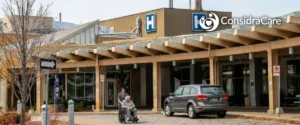
The Peel Memorial Centre for Integrated Health and Wellness in Brampton is a prime example of this shift. If you are a caregiver or a health professional, you should know about their Centre for Seniors and Rehabilitation.
Unlike a typical trip to the ER at Brampton Civic—which everyone wants to avoid—Peel Memorial’s outpatient clinics are designed to prevent the crisis before it happens:
-
The Falls and Frailty Clinic: Falls are the number one reason seniors lose their independence. This clinic doesn’t just treat injuries; it assesses balance and strength to stop the fall from happening in the first place.
-
The Memory Clinic: For families worried about early signs of Alzheimer’s or dementia, this is a critical resource for diagnosis and management plans.
-
The Reconditioning Clinic: This is vital for seniors recovering from an illness (like a bad flu or pneumonia). It focuses on rebuilding strength so a temporary illness doesn’t lead to permanent immobility.
Bridging the Gap: Where Community Care Fits In
Hospitals and specialized clinics are the anchors, but they cannot be everywhere. The hardest part of the journey often happens between appointments, or in the weeks after a hospital discharge.
This is where the partnership between public institutions and private home care becomes essential. True integration means that the care plan doesn’t end when the patient walks out the clinic doors.
For a senior, this approach simply means that the left hand knows what the right hand is doing. It means that the fall-prevention exercises prescribed by the clinic at Peel Memorial are actually being practiced safely in the living room with the help of a caregiver. It means that when a discharge planner sends a patient home, there is a reliable team ready to ensure medications are taken and nutrition is managed.
Building Stronger Ties for 2026
We believe that the best care happens when we break down the silos between hospitals and home care.
This spirit of collaboration was the focus of a recent visit by the team from ConsidraCare, led by our Director of Business Development, Yogeeta Jhodhan, to Peel Memorial. The group engaged in a “Lunch and Learn” session with the hospital’s geriatric team, exploring how private home care and public health systems can align to support the community’s 2026 goals.
It was an afternoon dedicated not just to business, but to the shared human mission of caring for our elders. As the region heads toward 2026, strengthening these relationships between hospitals and community partners will be critical in ensuring Brampton’s seniors can age with the dignity and support they deserve.
Practical Next Steps for Families
If you are currently caring for an aging loved one in Peel, you don’t have to wait for a crisis to act:
-
Ask for a Referral: If you notice mobility changes, ask your family doctor about a referral to the Falls and Frailty Clinic at Peel Memorial.
-
Plan Ahead: Don’t wait until a discharge is happening at 4 PM on a Friday to think about home support. Start the conversation early.
-
Reach Out: Whether you need full-time support or just a few hours of respite a week, talking to a care coordinator can help you understand your options.